816 Acres of Forest Turned to Mud After Google Data Center Push
Unauthorized clearings for AI infrastructure have displaced wildlife and prompted a halt to construction in southern Finland.
By Ji-eun Choi ·
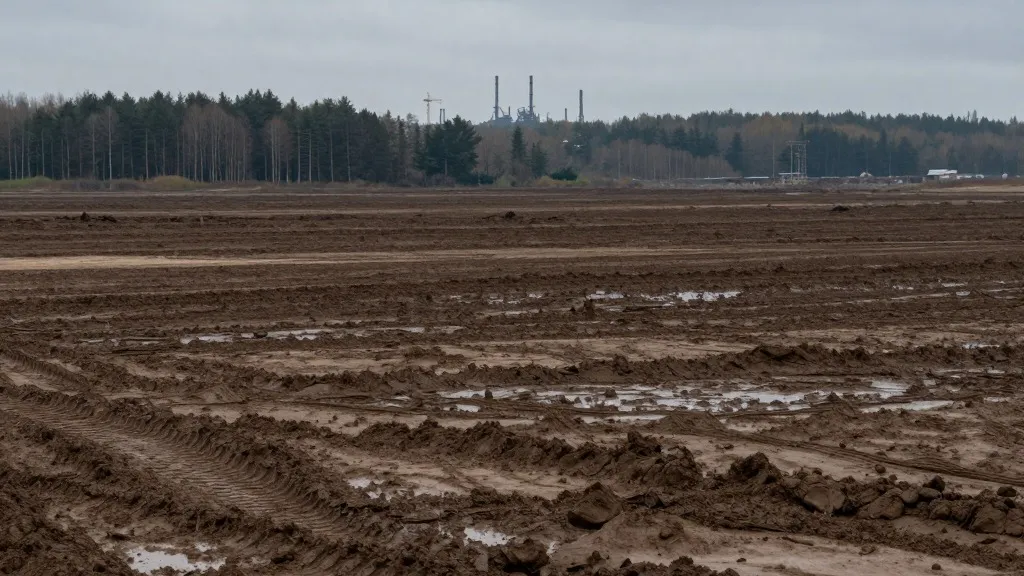
Local wildlife is moving into Finnish villages after large-scale forest clearances near new data center sites.
The disruption is the direct result of Google’s recent infrastructure expansion in the country. The tech giant has faced mounting pressure to build out its artificial intelligence capacity. This rush to construction has led to significant environmental changes in the region. The impact is now visible to residents in nearby communities.
According to reports, 816 acres of forest near Muhos have been transformed into an expanse of mud. This area was previously a dense woodland. It served as a primary habitat for local wolf packs and other animals. Google has been ordered to cease work on a separate site where roughly 500 acres of forest were cleared. That location is situated 55 miles southeast of the village of Otanmäki. The total area affected by these specific unauthorized clearings is approximately 1,300 acres.
The people living in these areas are now dealing with the immediate consequences. Anni Ranta, 53, is a resident of Otanmäki. Her family has lived in the area for generations. She describes the shift in the local ecosystem. “We had wolves coming into the village because all the wild animals moved out of the forest,” Ranta explained. For many locals, this is more than a nuisance. It is a serious safety concern. Wild predators are now roaming in places where they were not expected.
Ranta also voiced a different type of anxiety. She fears that the presence of U.S.-owned data centers in the region makes Finland a more attractive target for Russian aggression. This sentiment adds a geopolitical layer to the local dispute. The anger is not limited to environmentalists. Many families are frustrated by the way the project has been handled.
The construction process has generated other complaints. Residents report loud noise from factories and machinery. Streams in the area have turned brown due to runoff. Rare bird species are being pushed out of their natural habitats. These issues are common in areas undergoing rapid industrial development. However, the scale of the forest loss has intensified local opposition.
Regulatory bodies have stepped in to address the situation. A representative for the Finnish Association for Nature Conservation, known as SLL, described Google’s approach as unprecedented. The group stated that the tech giant clearly flouted environmental policy. The Finnish Licensing and Supervision Authority, or LVV, agreed with the assessment. The authority issued an order for Google to stop development near both Muhos and Otanmäki. This order followed earlier notices given to the company earlier this month regarding construction activities in Muhos and Kajaani.
Google has responded to the regulatory halt with a statement of cooperation. A company spokesperson said the firm intends to fully comply with the requests from the LVV. “We look forward to maintaining an active, open dialogue with all authorities to strengthen our partnership with Finland and local organizations,” the spokesperson said. The company is hopeful that the business benefits of the data centers will help sway government and regulatory decisions. It seems Google is banking on the economic value of the project to offset the environmental costs.
The stakes are high for all parties involved. Google needs these facilities to support its growing AI operations. The Finnish government wants to ensure the country remains a hub for tech infrastructure. But local residents are asking for accountability. They want the forest remediated and the displaced wildlife managed without extermination. The muddy expanses where trees once stood are a physical reminder of the trade-offs being made in the race for AI dominance. As the wolves roam the villages, the question of how to balance rapid technological growth with environmental stewardship becomes increasingly urgent.
The situation in Finland mirrors complaints seen in the United States and other countries. Developers are frequently criticized for their environmental footprint. However, the specific combination of unauthorized clearing, regulatory orders, and visible wildlife displacement makes this case distinct. The next steps will depend on the outcome of the dialogue between Google and Finnish authorities. For now, the mud remains where the forest was, and the animals have found new paths.
Source: Tom's Hardware