Tesla’s New Q2 2027 Self-Driving Plan Is a Robotaxi, Not a Personal Car
The company has clarified that unsupervised driving will initially be limited to specific managed zones, marking a significant shift from previous consumer promises.
By Jayden Sweiler ·
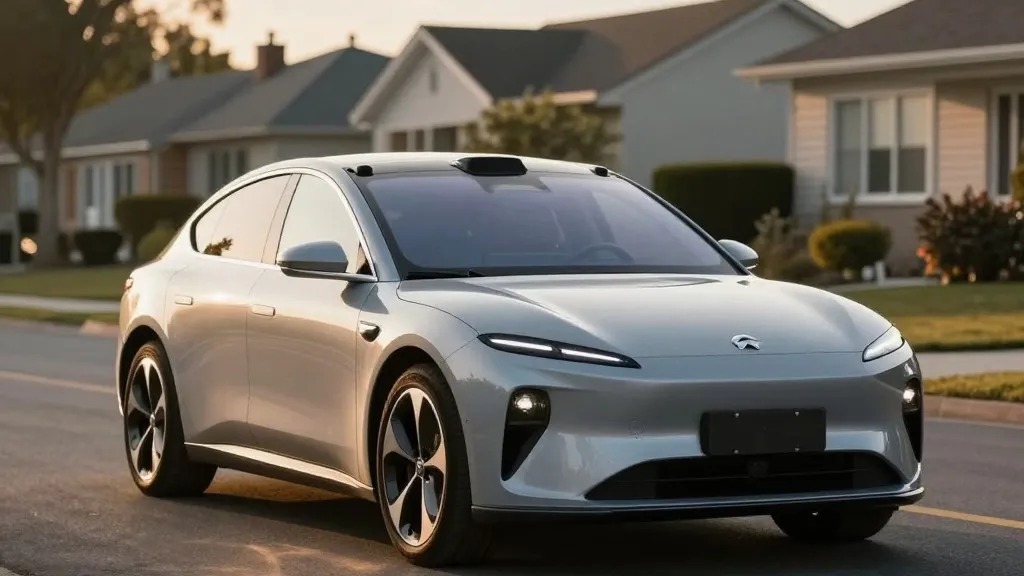
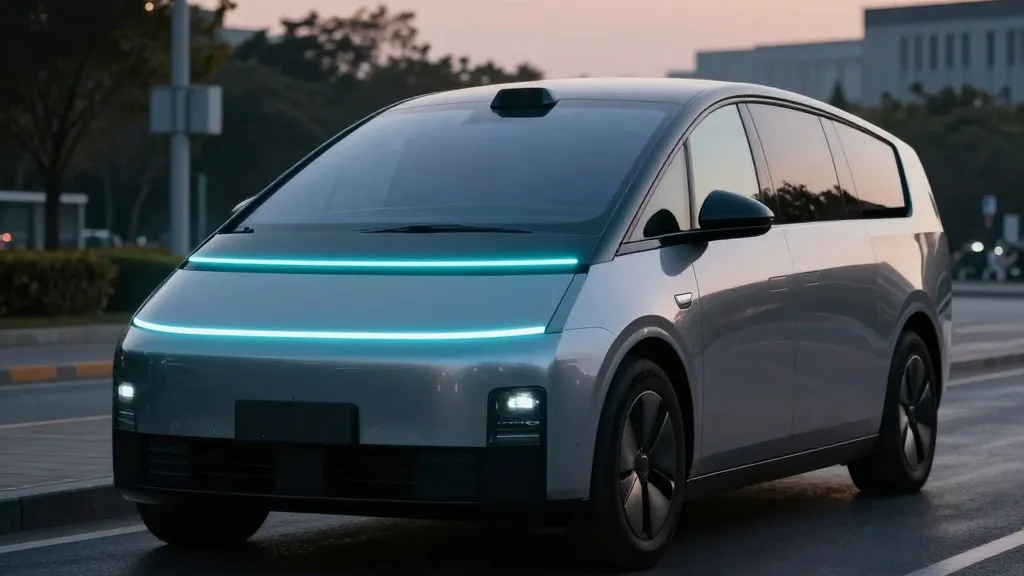
Tesla has officially set a new target date for its unsupervised Full Self-Driving technology, announcing on its third-quarter 2026 earnings call that the feature will arrive in the second quarter of 2027. This timeline comes after years of shifting promises, but it carries a major condition that distinguishes it from earlier marketing. The company is not yet offering a system that allows owners to drive their personal vehicles anywhere without supervision. Instead, the initial rollout will function as an expansion of Tesla’s existing Robotaxi service.
Ashok Elluswamy, Tesla’s head of AI, explained the distinction during the call. He described the new capability not as a software update that lets a customer sleep in the back seat of their own car, but as a process where owners add their vehicles to Tesla’s managed fleet. In this model, the car drives itself only when it is operating within the specific geographic areas where Tesla’s Robotaxi service is already active. This means the autonomy is tied to the company's operational zones rather than the owner's desired destination.
This clarification addresses a primary question from retail shareholders, who submitted inquiries backed by approximately 1.1 million shares asking when unsupervised FSD would be available in customer cars. The answer provided was Q2 2027, but the framing suggests a phased approach. The first step is integration into the Robotaxi network, where Tesla controls the operation. This is a narrower definition of the product than the vision presented to buyers since 2016, which suggested a car that would eventually drive itself to any location via a simple software update.
The practical scope of this new service is currently limited. Tesla’s Robotaxi operations are currently live in six U.S. metropolitan areas, but the service areas within those cities are relatively small. For example, the Miami zone primarily covers West Miami and specific corridors toward Doral and Sweetwater. Similarly, the zones launched in Orlando and Tampa this past July cover small, geofenced sections of those cities. Within these boundaries, the vehicles generally stick to low-speed routes and avoid highways or complex urban environments.
There are also regulatory nuances affecting the deployment. In the Bay Area, the service is not fully unsupervised due to California state rules. Tesla currently operates with a safety driver in every car because it has not yet released the necessary data to the California DMV to move beyond a Level 2 autonomous classification. This regulatory hurdle adds a layer of complexity to the rollout, as Tesla navigates the approval process for driverless operations in the state.
The scale of the current fleet also provides context for the upcoming expansion. By the end of the third quarter, Tesla reported that its Robotaxi fleet had accumulated nearly 2 million cumulative unsupervised miles. This metric was achieved one month after the Cybercab model joined the fleet in Austin. However, third-party tracking data from earlier this spring indicated that the number of fully driverless Teslas on the road remained in the dozens, a figure that contrasts with the hundreds of thousands previously discussed by company leadership.
The competitive landscape further highlights the challenges. Waymo entered both Orlando and Tampa prior to Tesla’s launch and has already logged over 3 million miles of autonomous driving. This suggests that while Tesla is making progress, it is entering markets where established competitors have already built significant operational data and presence. The gap in cumulative miles underscores the learning curve Tesla faces as it scales its unsupervised operations.
For owners of vehicles equipped with the older HW3 hardware, the situation remains uncertain. These customers have previously been informed that their computers cannot run unsupervised FSD, with no clear upgrade path outlined. This leaves a segment of the user base waiting for a solution that may not be immediately available under the new Q2 2027 timeline. The new plan effectively shifts the goalpost from a universal personal assistant to a limited fleet vehicle, at least for the initial release.
Elluswamy reiterated that safety remains the primary bottleneck for the expansion. The company is currently restricting operations to lower-speed roads and avoiding more difficult driving environments to ensure safety. He estimated that these safety challenges could be resolved by next year, but acknowledged that the timeline is an estimate. The Q2 2027 date represents Tesla’s current best guess for when the technology will be robust enough to expand beyond the current limited zones.
Source: Electrek