Amazon Ditches Northern Virginia Data Center Project for Homes and Arts
The tech giant will convert a 122-acre site in Loudoun County into residential and mixed-use spaces after facing significant local opposition to its AI infrastructure plans.
By Valentina Cruz ·
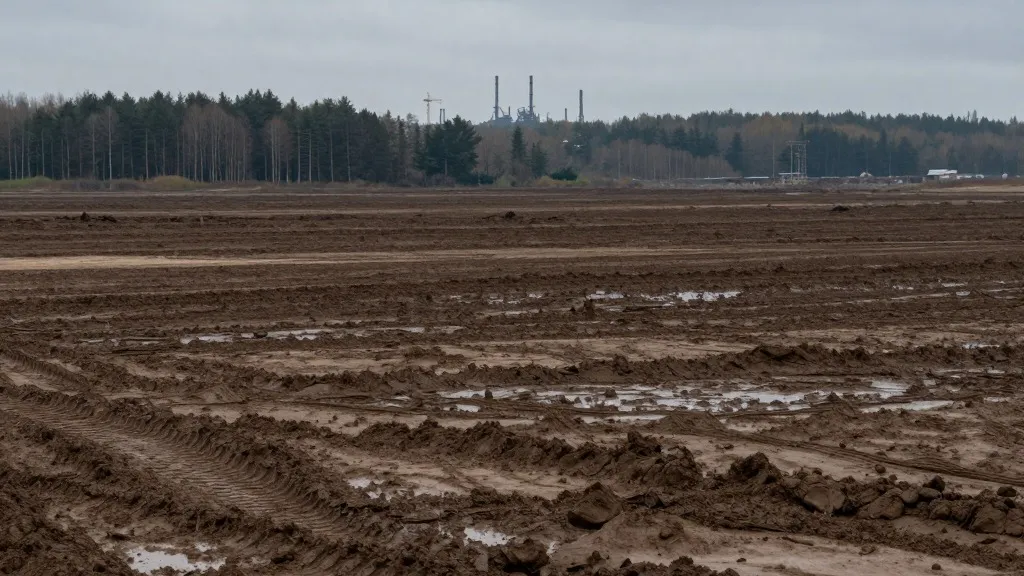
The rapid expansion of artificial intelligence infrastructure has frequently met with resistance from local communities, but few conflicts have unfolded with as much visibility as the recent dispute in Loudoun County. On Wednesday, it was confirmed that Amazon will abandon its plans to construct four new data centers on a former university campus just outside of Washington, D.C. Instead, the company will pivot the project toward mixed-use and residential development, marking a significant shift in its regional infrastructure strategy following months of intense local scrutiny.
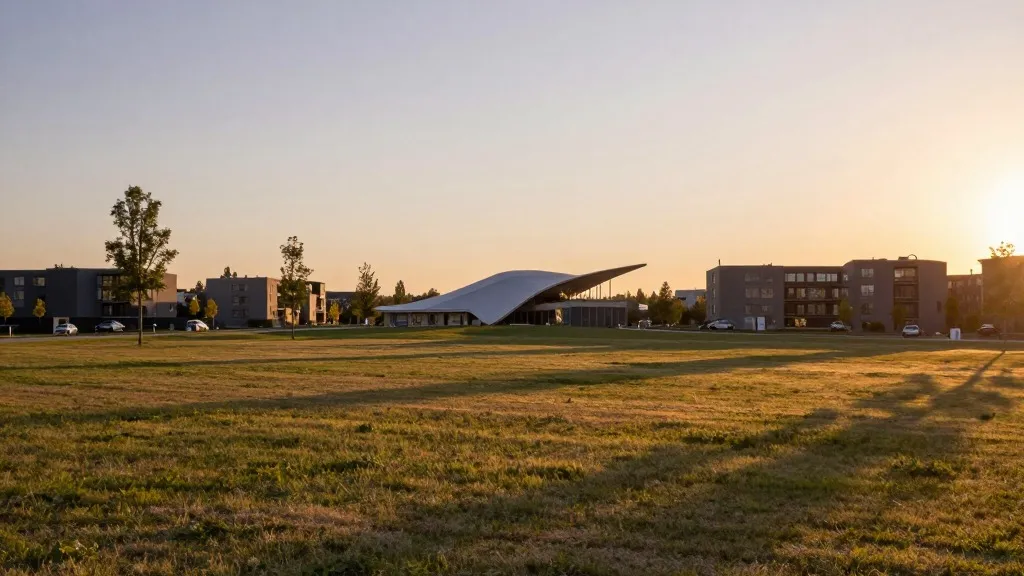
The site in question spans 122 acres and was previously the campus of George Washington University. Under the new agreement, the majority of this land will be repurposed for homes and commercial spaces. Additionally, Amazon has agreed to donate 25 acres of the property to Loudoun County. This parcel is designated for the construction of a community arts center and a new recreational facility. To further support local initiatives, the company will contribute $5 million to the county’s housing fund, a financial commitment aimed at addressing local affordability concerns.
This decision represents a notable change of course for Amazon in a region already known as Data Center Alley. Loudoun County currently hosts the largest concentration of data centers in the world. Residents have expressed deep concern over the noise pollution generated by these facilities and the massive quantities of electricity they consume. These factors have led to a shift in the local approach to new buildouts, with community members increasingly vocal about the trade-offs of hosting such energy-intensive infrastructure.
The timeline of the project reveals a period of negotiation and growing tension. Amazon originally submitted its proposal for the four new facilities in July. By September, the company met with Phyllis J. Randall, the chair of the Loudoun County Board of Supervisors. During these discussions, county officials suggested that an alternative use for the land might yield better results for both parties than proceeding with the data center construction as initially planned.
Josh Weissman, Amazon’s vice president in charge of data center development, addressed the change in plans. He noted that the company had initially moved quickly to purchase the former campus when the opportunity presented itself. However, Weissman stated that the company carefully considered the county’s “pointed concerns about data center development at this particular site.” He added that while Amazon viewed the legal development potential of the property differently than the county did, the company concluded that the best outcome for all stakeholders was to agree on a shared vision for the campus rather than engage in costly litigation.
The broader context for this decision involves the escalating demand for cloud-based services and storage systems driven by the AI boom. While new facilities are necessary to support this growth, the opposition from local communities has intensified. Residents are wary of the impact these large-scale facilities have on their neighborhoods, including potential spikes in electricity prices. Officials across the region are beginning to take steps to manage this tension, seeking to balance technological growth with community stability.
National leaders have also weighed in on the issue. Just days before this news broke, President Donald Trump called for data center builders and AI hyperscalers to pay a dividend to local communities amid energy-related price increases. In a social media post, the President suggested that data centers should be required to generate their own electricity and also provide or sell excess energy back to the local community. Other issues, such as water shortages and deforestation, have also become key points of contention in areas where data centers are being placed.
Local officials have framed the new agreement as a success of negotiation over confrontation. Randall stated via a statement that by choosing dialogue over reflexive disagreement, the county and Amazon created a valuable opportunity. She emphasized that the agreement provides new places for residents to gather, create, and play. Most importantly, she noted, the project will provide more attainable homes for working families in the county.
The move underscores the evolving relationship between major tech companies and the localities that host their infrastructure. As the demand for AI processing power continues to rise, the balance between corporate expansion and community needs will likely remain a central topic of discussion in regions like Loudoun County. For now, the 122-acre site will see a different kind of construction, one focused on living and recreation rather than data storage.
Source: Tom's Hardware